Click image to view larger.
|
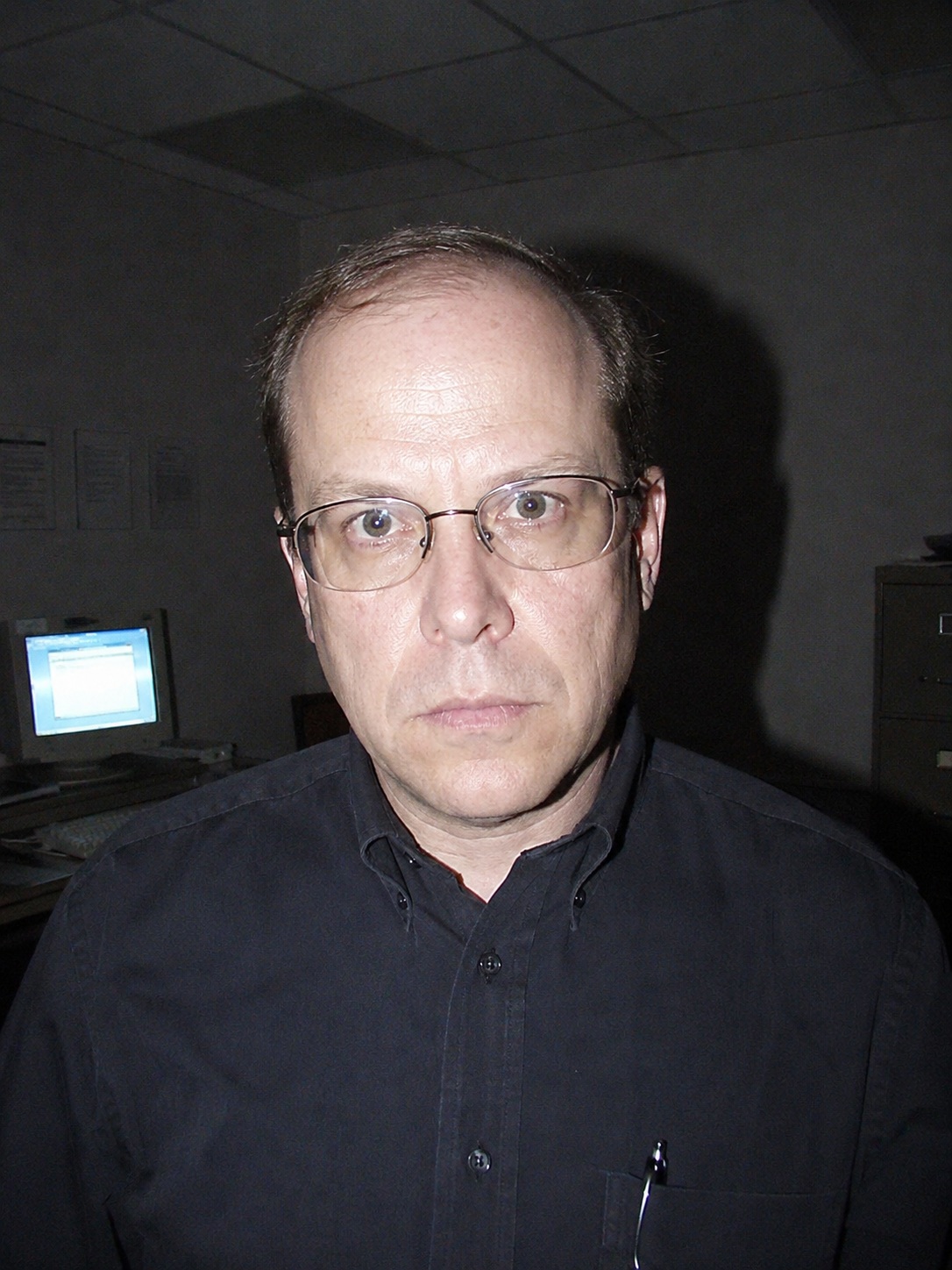
ARTHUR VANCE
Director / Founder
|
Deadbolt Studios was founded by Arthur Vance, a former behavioral research analyst who transitioned into software engineering to explore the untethered potential of the human psyche.
"Traditional media asks the audience to observe. We demand that the audience participate. To achieve true resonance, the software must be as alive, and as unpredictable, as the person sitting in front of the screen."
Under Vance's uncompromising leadership, Deadbolt Studios has rejected standard industry practices in favor of psychological synthesis. He believes that a development team cannot create genuine terror unless they are intimately familiar with it. His hands-on approach ensures that every line of code serves the ultimate goal of absolute immersion.
|
From a visionary startup to a fully integrated ecosystem, Deadbolt Studios has experienced unprecedented growth, driven by our refusal to compromise on the final product.
| 1999 |
Founding: Arthur Vance establishes Deadbolt Studios in a small commercial space. Initial framework for an adaptive, psychology-based engine is drafted. |
| 2000 |
Seed Funding: Angel investors back Vance's vision. Early prototyping begins on what was then known internally as "Project Oubliette." |
| 2001 |
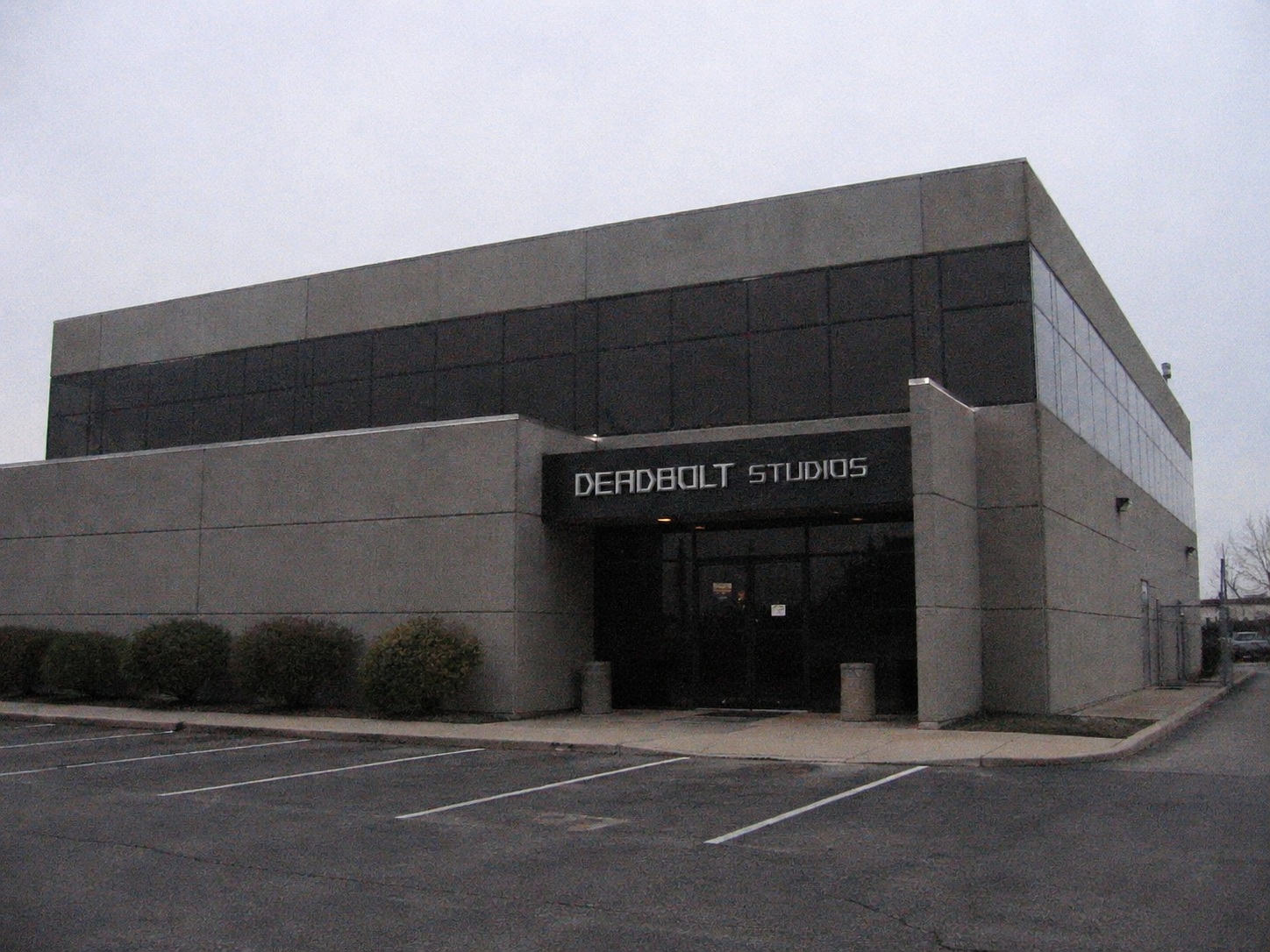
The Enclosure: Deadbolt relocates to its current, custom-built facility. The architecture is specifically designed to minimize external stimulus, laying the groundwork for our "Closed-Ecosystem" philosophy. |
| 2002 |
The Initiative: The "Closed-Door" development structure is officially implemented. Development shifts into high gear as the team commits to fully isolated sprint cycles. |
| 2003 |
Engine Integration: The Behavioral Response Engine becomes functional. The software begins successfully interpreting and reacting to tester stress metrics. |
| 2004 |
Late-Stage Alpha: "The Immersion" reaches its most critical phase. The core team enters an extended, indefinite "heads-down" period to finalize the dynamic fear algorithms. |
|
Fig 1. The Deadbolt Enclosure (Exterior view). Designed for maximum isolation.
|
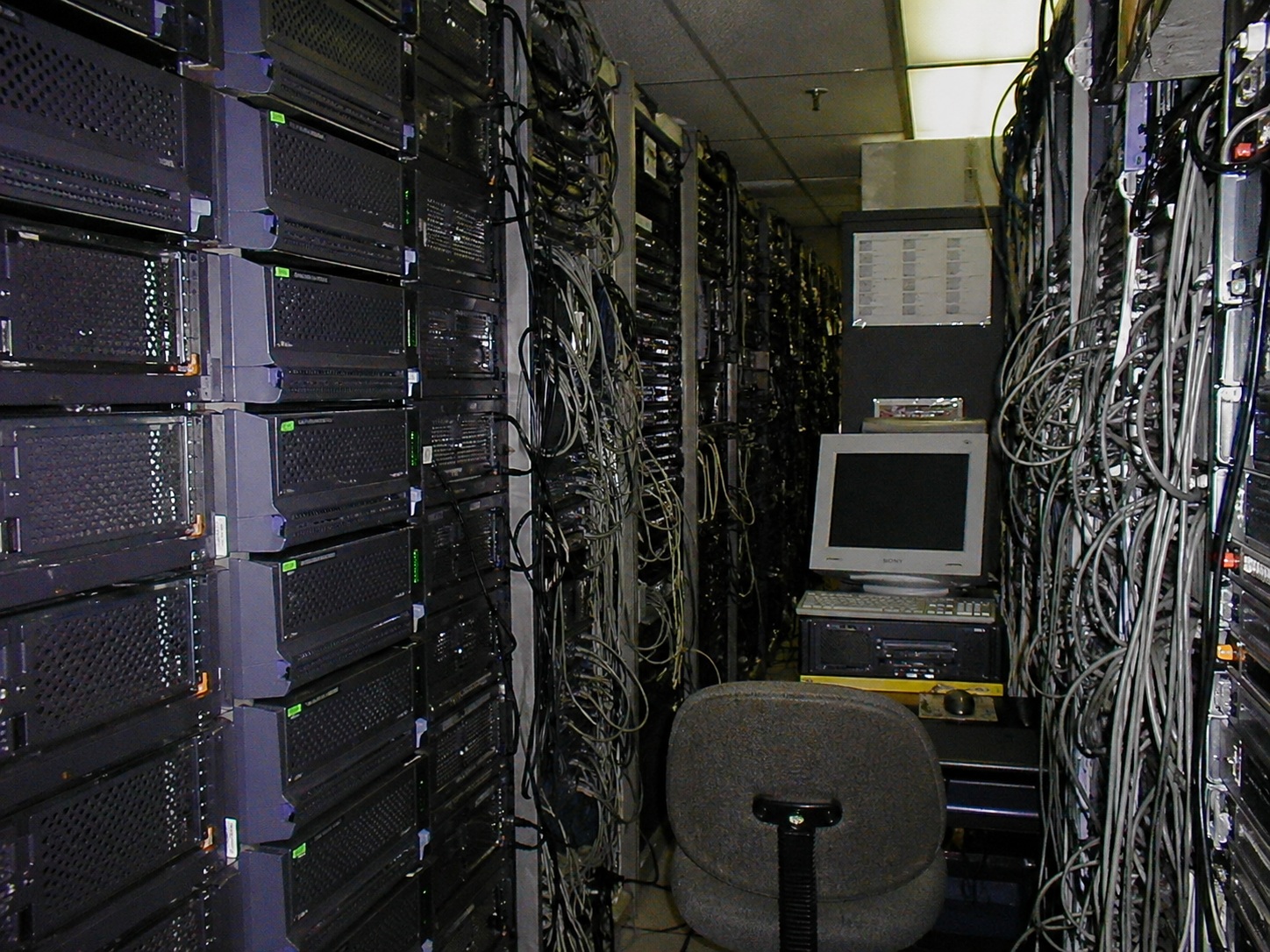
Fig 2. The Central Core. Hardwired architecture with no external wireless access.
|
|